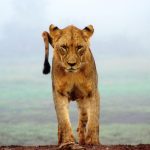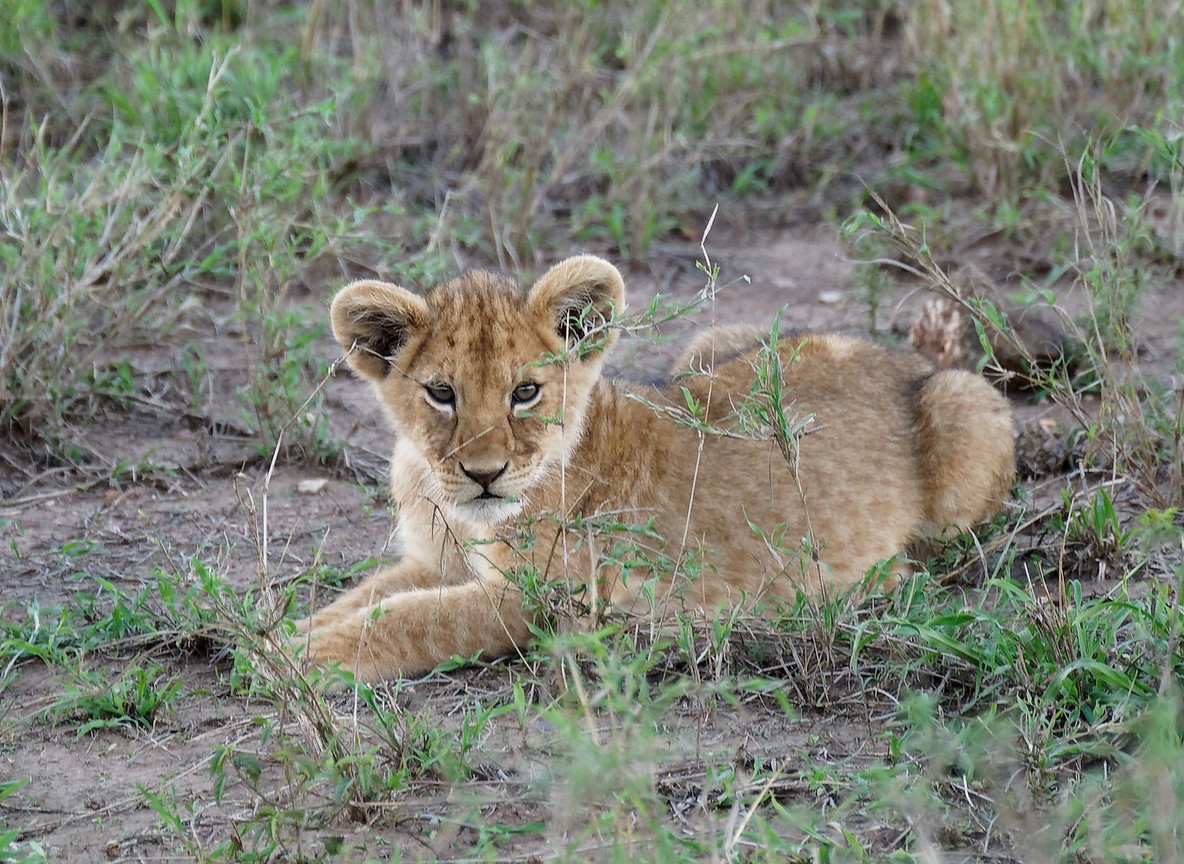
A single landscape in southern Tanzania holds roughly one in ten of the world’s remaining wild lions. Most safari-goers have never heard of it. Ruaha National Park anchors this landscape. It forms one of Africa’s last true lion strongholds. Wild dog numbers here beat almost every other park. Yet visitor counts stay a fraction of what the northern Serengeti sees each year. Touring Insights looks at why Ruaha matters so much for lion conservation, and why so few travelers have added it to their safari plans.
Why Ruaha Holds So Many of the World’s Lions
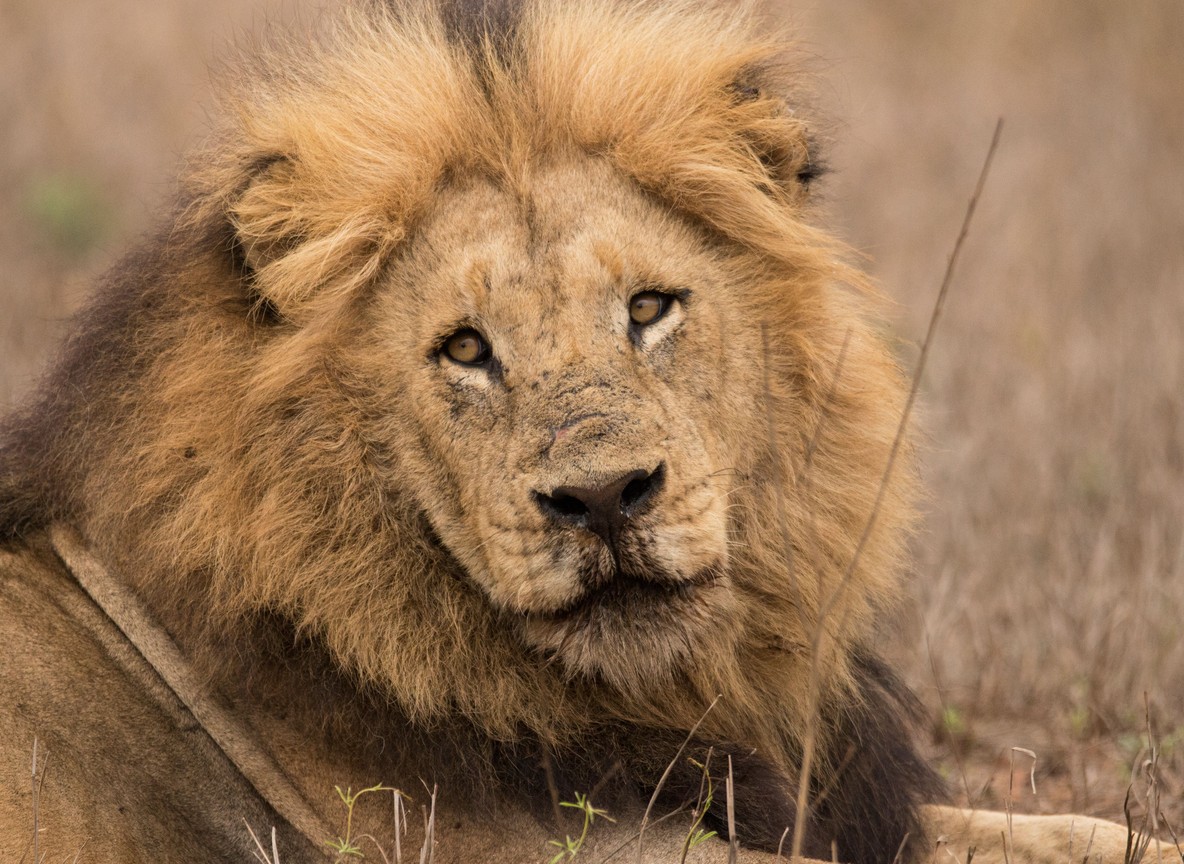
Ruaha sits inside the Rungwa-Kizigo-Muhesi-Ruaha landscape. This connected block of national park and game reserves covers close to 45,000 km2 of protected land. Lion Landscapes and Asilia Africa research draws on long-term monitoring across this landscape. It estimates the area supports close to 10% of Africa’s remaining wild lion population. That figure reflects the scale of unbroken habitat here. Few other lion landscapes on the continent remain this large and this connected. No major roads or settlements cut through the core range.
The same landscape ranks among East Africa’s most important strongholds for African wild dogs. This species has disappeared from most of its historic range elsewhere. Wild dogs need enormous territories to hunt and den safely. Ruaha’s scale gives packs room that fragmented parks cannot offer. Cheetah and leopard populations also remain healthy here. Human pressure on the core park stays low compared to more visited circuits.
The Great Ruaha River Is the Reason Any of This Works
The Great Ruaha River cuts through the park. It defines where wildlife concentrates, especially in the dry season from June through October. As the river shrinks to isolated pools, elephants dig for water in the sandy riverbed. Predators stake out the remaining pools where prey has to drink. This seasonal squeeze produces some of the most reliable predator sightings anywhere in Tanzania. It also makes the park fragile. Upstream water use for irrigation has reduced flow in past years. Conservation groups now track river health as closely as they track lion numbers, since one depends entirely on the other.
Ruaha vs Serengeti: How the Two Compare
Most first-time Tanzania travelers default to the Serengeti and Ngorongoro Crater. Ruaha offers a genuinely different experience, at a different scale and price point.
| Detail | Ruaha National Park | Serengeti National Park |
|---|---|---|
| Park size | approx. 20,226 km2 | approx. 14,750 km2 |
| Wider ecosystem size | approx. 45,000 km2 (Rungwa-Ruaha landscape) | approx. 30,000 km2 (Greater Serengeti-Mara) |
| Estimated share of world’s lions | approx. 10% (Rungwa-Ruaha landscape) | smaller share, higher visitor density per lion |
| Non-resident park entry fee (indicative) | USD 30-50 per 24 hours | USD 70-82 per 24 hours |
| Peak-season crowding | Low, vehicles per sighting often in single digits | High, multi-vehicle sightings common in peak months |
| Closest gateway airstrip | Msembe airstrip (inside the park) | Seronera airstrip (inside the park) |
| Flight time from Dar es Salaam / Arusha | approx. 1.5-2 hours by light aircraft | approx. 2-2.5 hours by light aircraft from Arusha |
Ruaha’s lower fees and lighter crowds come with a trade-off. Fewer roads and fewer camps mean fewer guides working the park at any time. Sightings can take longer to find, even though wildlife density is high once you do.
Why So Few Travelers Make It Here
Access is the biggest reason. Ruaha sits far from Tanzania’s main tourist circuit around Arusha and the Serengeti. No easy road link connects the two areas within a typical itinerary. Reaching Ruaha means a dedicated flight from Dar es Salaam or Arusha. The alternative is a long road transfer from Iringa town, roughly 130 km from the main park gate. Most travelers on a first Tanzania trip build their itinerary around the northern circuit. They rarely budget the extra flight leg south.
Marketing plays a role too. The northern parks have decades of name recognition tied to the wildebeest migration. Ruaha’s story is quieter: a lion stronghold without a single headline event, harder to sell in a short brochure line. Camp capacity stays deliberately low as well. Tanzania’s national park authority and the concession operators here have kept bed numbers modest. That protects the wildlife experience, but it also caps how many people can visit even as demand rises.
Planning Facts for a Ruaha Safari
| Detail | Figure |
|---|---|
| Ruaha National Park size | approx. 20,226 km2 (Tanzania’s largest national park) |
| Rungwa-Ruaha landscape size | approx. 45,000 km2 |
| Distance from Iringa town to main gate | approx. 130 km |
| Flight time from Dar es Salaam to Msembe airstrip | approx. 1.5 hours |
| Flight time from Arusha to Ruaha | approx. 2 hours |
| Main airstrips | Msembe, Jongomero |
| Non-resident park entry fee (indicative) | USD 30-50 per 24 hours |
| Best months for dry-season game viewing | June to October |
| Key river | Great Ruaha River |
| Named camps inside the park | Mwagusi Safari Camp, Kigelia Ruaha, Jongomero Camp, Ikuka Safari Camp, Mdonya Old River Camp |
Park fees and camp rates change with the season. TANAPA and individual operators set them independently, so confirm current published rates before booking.
What Conservation Groups Are Doing on the Ground
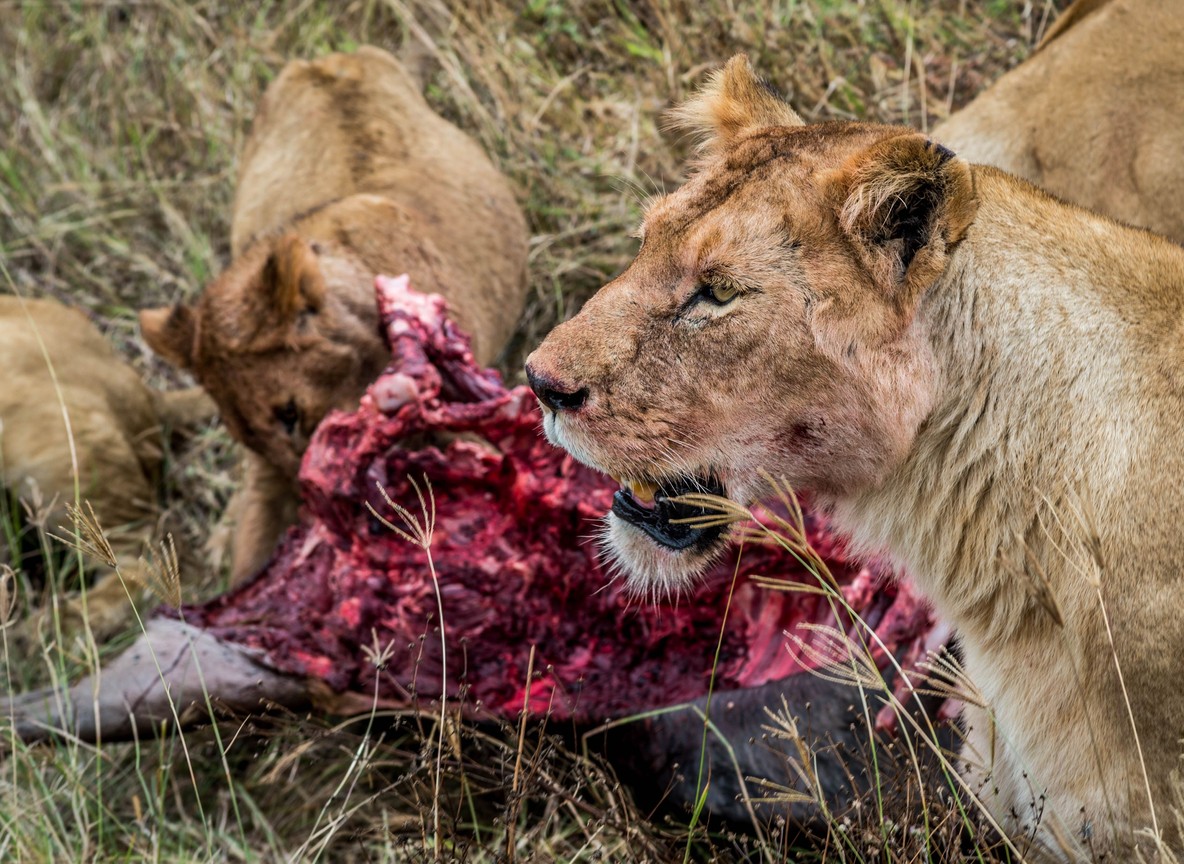
Lion Landscapes runs long-term lion and wild dog monitoring across the Rungwa-Ruaha landscape. Field teams fit collars to track movement and flag conflict zones before retaliatory killing happens. Much of that work centers on the boundary areas where the park meets village land. Lion and wild dog losses concentrate there far more than inside the core protected area. Asilia Africa operates camps in the region and funds a share of this research through guest bed-night levies. That ties conservation funding to the same visitor numbers this article argues need to grow. Ruaha Carnivore Project, a separate long-running initiative, works with surrounding communities on livestock protection measures. The goal is fewer lion killings, without asking herders to absorb the cost of coexistence alone.
Explorer Notes
Msembe airstrip sits inside the park itself. The game drive to camp often starts the moment you step off the plane, well before the formal safari begins. Pack for dust. The dry-season riverbed throws up fine sand that gets into camera gear fast. A simple rain cover or dry bag for equipment earns its space in a daypack. Night drives are permitted in parts of Ruaha under licensed operators, something not allowed in the Serengeti or Ngorongoro. They open up sightings of striped hyena and other nocturnal species rarely seen elsewhere in Tanzania. Ask your camp specifically whether a night drive is included, since not every operator runs them.
Baobabs dominate the park’s woodland areas. Elephants strip their bark for moisture in the driest months, leaving visibly scarred trunks that guides use as a marker of how tough a season has been. If a guide mentions the river pools by name, such as those near Mwagusi or Jongomero, ask to prioritize them at dawn. Predator activity concentrates there before the day heats up.
What to Read Next
- Tanzania’s Southern Circuit: Ruaha and Nyerere Compared to the Crowded Serengeti North
- Best Time to Visit Tanzania for a Southern Circuit Safari
- How Park Fees Fund Wildlife Conservation Across East Africa
FAQ
Why does Ruaha National Park have so many lions? Ruaha anchors the Rungwa-Ruaha landscape, a connected block of protected land covering roughly 45,000 km2. That scale lets lion prides and wild dog packs hold large territories with limited human pressure. Lion Landscapes and Asilia Africa research links this to the landscape’s estimated 10% share of the world’s remaining wild lions.
Is Ruaha National Park hard to get to? It takes more planning than the northern circuit. Most visitors fly into Msembe or Jongomero airstrip from Dar es Salaam or Arusha, a flight of roughly 1.5 to 2 hours. A road transfer from Iringa town covers the final 130 km to the main gate.
When is the best time to visit Ruaha for wildlife viewing? June through October is the dry season. It concentrates wildlife around the shrinking pools of the Great Ruaha River and offers the most reliable predator sightings.
How does Ruaha compare to the Serengeti for a first safari? Ruaha offers lower park fees, far lighter crowds, and strong predator density. Fewer camps and roads mean sightings can take longer to find. The Serengeti offers denser infrastructure and the migration spectacle, at a higher price with more vehicles per sighting.
Are wild dogs common in Ruaha National Park? Yes. The Rungwa-Ruaha landscape ranks among East Africa’s most important strongholds for African wild dogs, a species that has vanished from most of its historic range elsewhere.
Ruaha rewards travelers willing to add one extra flight to a Tanzania itinerary. Check the Tour Packages page for southern circuit options that pair Ruaha with Nyerere National Park. Ask your operator directly which camps route guest fees into the lion and wild dog monitoring work described above.